
Career Clubs
| The decision about a career is one of the most important that any young person will make. Although there is much information available about the fast-changing world of work, there is no easy way to explore one’s options in the real world. | |
| Many community and youth groups incorporate career exploration into their programs. Some school counselors manage career centers as part of academic counseling. | |
| Our Career Club Guide was compiled by a group including students, teachers, parents, and business and university people. Its goal is to share ideas for activities and projects to do with children or teens to help them explore career possibilities. It is intended as a resource for career clubs, scout leaders, teachers, counselors, parents, or anyone working with a youth group. | |
| Also, be sure to explore our Career Planning Resources and please share your ideas for career activities and projects with our webmaster for inclusion in future editions of this guide. | |
Example of a Career Club |
 |
|---|---|
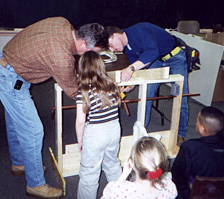
| Owen Elementary School in Pontiac has had after-school career clubs run by mothers paid a small stipend. The club leaders arranged for presenters to come to the school and for field trips to work sites. They also did some of the self-analysis activities recommended in the club guide, to help children think about their individual talents and interests. Reading their recap of activities may give you ideas! Be sure to involve parents and other community members as presenters, since they then become stakeholders willing to help out in other learning community activities. | |
| The Slauson Middle School Builders Club is another example of a format for offering career exploration opportunities to teens. In addition to their community service projects, some Builders enjoyed being matched with Kiwanis career mentors for individualized guidance. | |
Another Model: Personal Discovery Workshops
For small-group explorations with teens, Reach Out! coordinator Karyl Shand developed a series of four workshops: “What turns you on?” – exploring interests, hidden talents, and how they relate to possible college majors “So who are you anyway?” – using the Keirsey Temperament Sorter to unlock the mysteries of choosing friendships, classes, activities, and career fields that teens will enjoy and naturally excel in. “Can learning in college really be fun?” – using a Birkman Method questionnaire to explore how your extracurricular interests and preferred working style relate to an enjoyable college major. “Get the grades you want!” – using a Learning Styles inventory to diagnose how individuals learn best, and how they might capitalize on strengths and compensate for weaknesses. |
| Back to Career Club & Mentoring Guide | Back to Career Planning Resources |
| Back to Career Mentoring | Back to Michigan Reach Out! Home | Updated 3 Mar 10 |